
Author: Javier Morales, Mining Reliability Engineer
In mining and bulk material handling, abrasion is not an occasional problem. It is part of the operating environment.
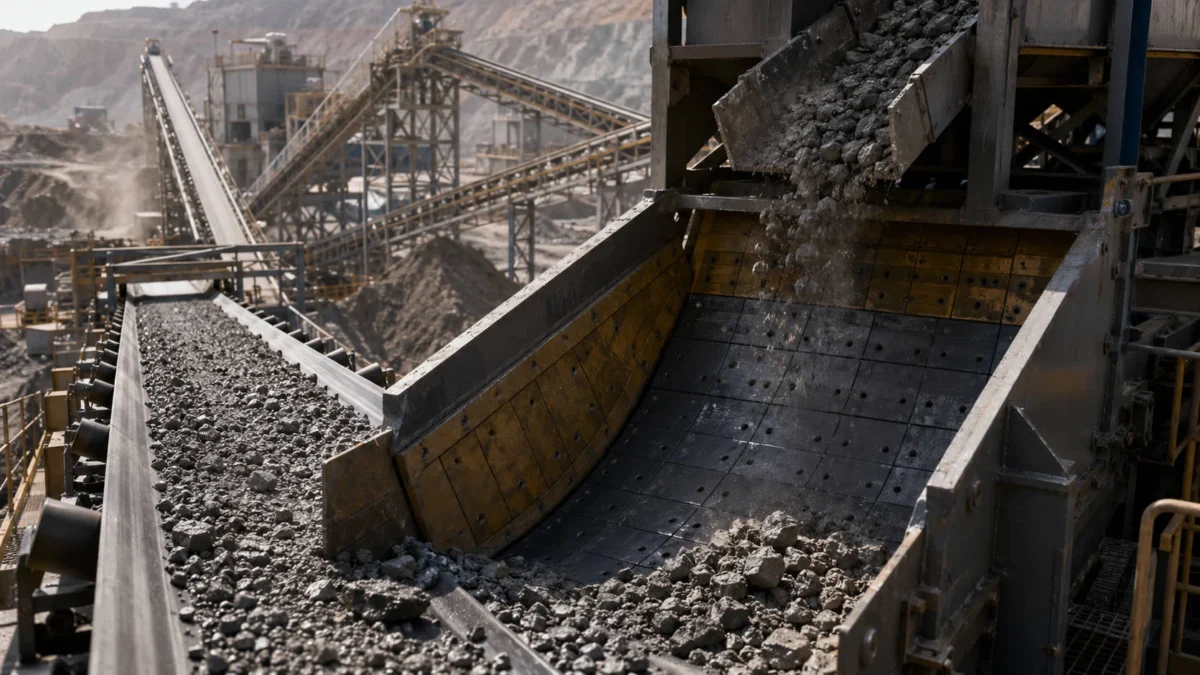
Chutes, hoppers, crushers, screens, transfer points, conveyor systems, pumps, pipes, liners, and wear plates are continuously exposed to rock, ore, slurry, dust, and impact. These materials remove metal, change equipment geometry, reduce efficiency, and increase maintenance frequency.
Abrasion rarely causes failure overnight. It progresses silently.
A chute may continue operating while material loss increases. A hopper may appear functional while wall thickness decreases. A conveyor component may keep running while wear changes alignment or increases material carryback. By the time the problem becomes obvious, repair options may be limited and downtime may be unavoidable.
A reliability-based abrasion strategy starts by identifying the wear mechanism.
Is the asset exposed to sliding abrasion?
Impact abrasion?
Particle erosion?
Wet slurry?
Dry material flow?
Combined abrasion and corrosion?
The best protection system depends on the answer. A hard ceramic-filled coating may perform well in sliding abrasion. A flexible elastomer may absorb impact better. A rebuildable compound may restore lost geometry. A liner may be more appropriate where replacement is expected.
The hardest material is not always the best material.
If the environment includes impact, vibration, thermal movement, or wet solids, a protection system must balance hardness, adhesion, flexibility, and chemical resistance.
A good abrasion-control program also includes inspection. Wear should be measured, not guessed. Thickness checks, visual inspections, shutdown reports, and failure history help teams decide where to reinforce, repair, or redesign.
For mining operations, abrasion protection is directly linked to availability. Every hour lost to unexpected chute, hopper, conveyor, or crusher maintenance can affect production flow.
Key takeaway: Abrasion protection helps preserve geometry, reduce unplanned repairs, and extend the service life of equipment exposed to heavy solids.