
Author: Robert Singh, Industrial Reliability & Asset Protection Engineer
Critical assets rarely fail because of one single factor. In aggressive industrial environments, failure is usually the result of combined stress.
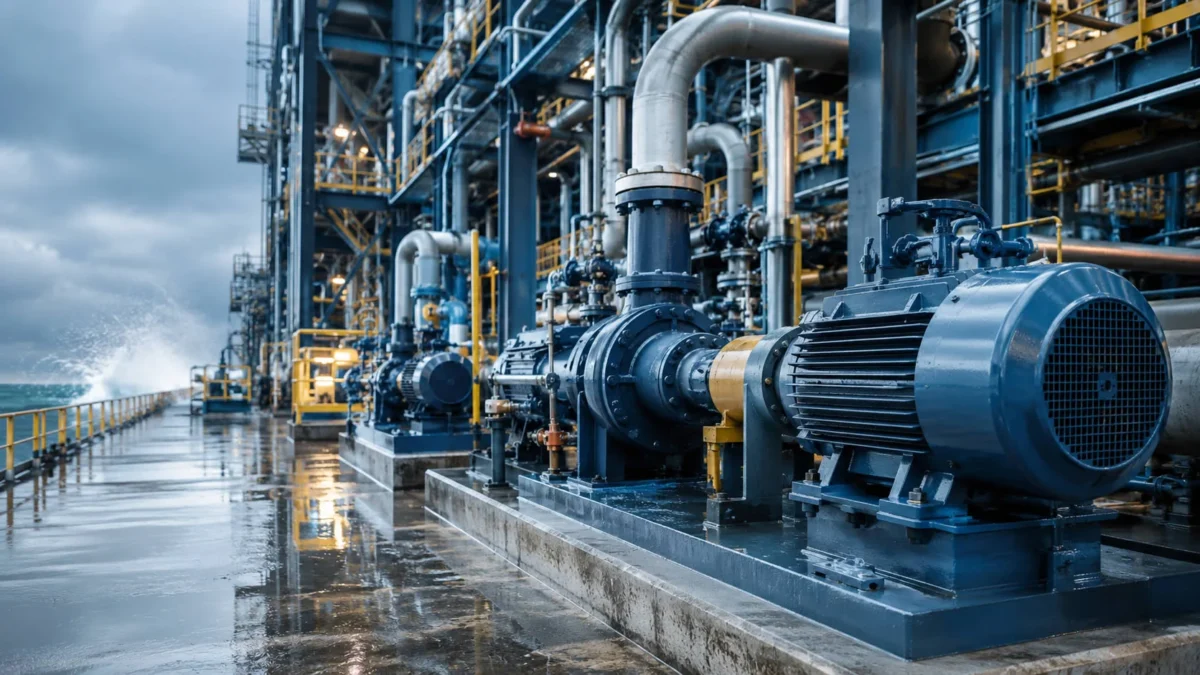
A pump may face abrasion, corrosion, chemical exposure, cavitation, vibration, and poor lubrication. A conveyor may suffer impact, carryback, roller failure, belt damage, structural corrosion, and material contamination. A mining truck may accumulate grease, carbon, oil residues, abrasive dust, and heat-related deposits. A marine structure may face salt, moisture, UV, impact, and corrosion.
This is why asset protection must be integrated.
Cleaning alone is not enough. Lubrication alone is not enough. Coating alone is not enough. Repair alone is not enough.
A practical asset protection program combines:
Cleaning for visibility and inspection.
Lubrication for friction and wear control.
Corrosion protection for exposed metals.
Abrasion protection for high-wear zones.
Surface preparation for repair performance.
Emergency repair capability for unexpected failures.
Inspection routines for early detection.
Documentation for continuous improvement.
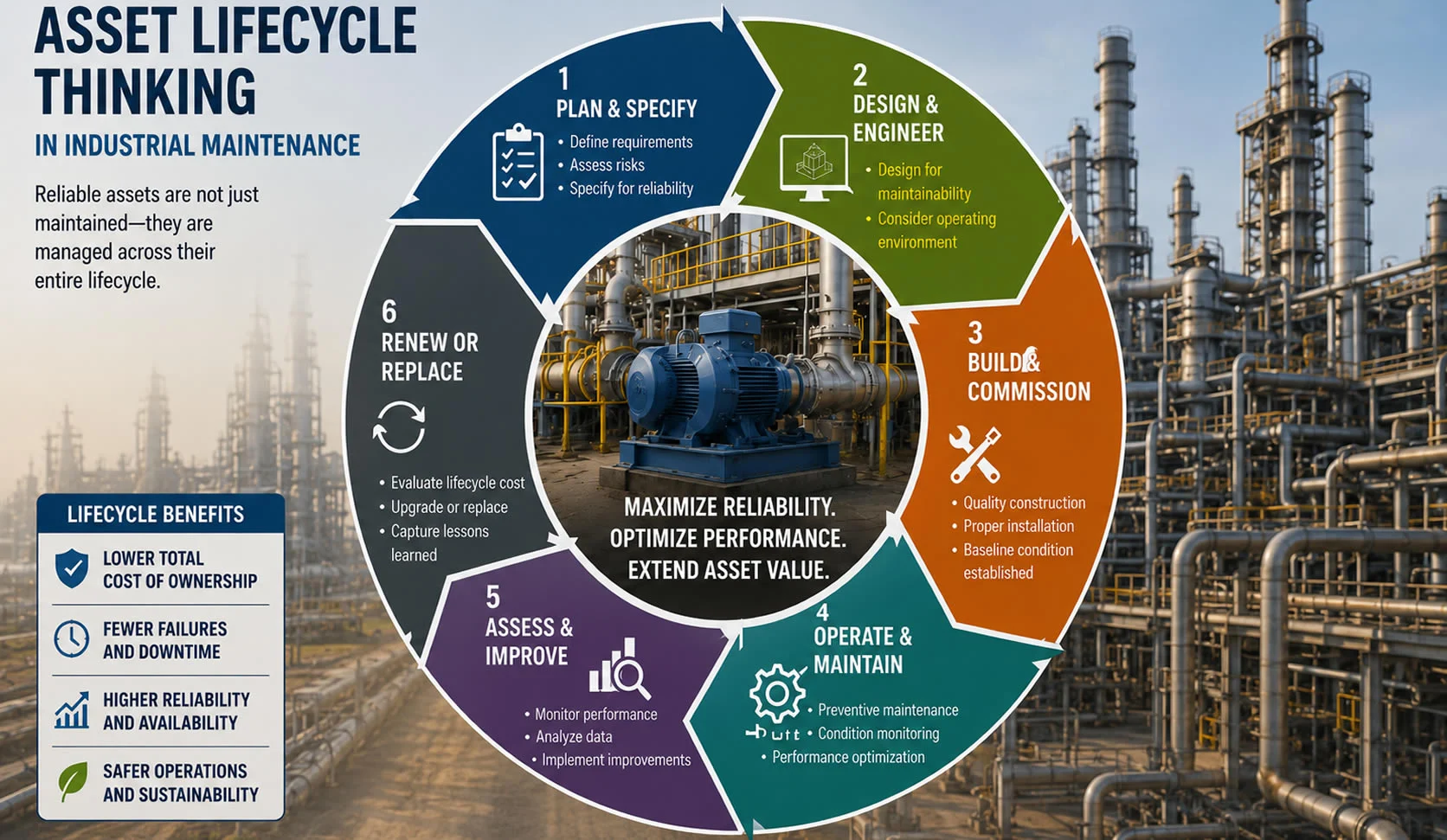
The first step is to define critical assets. The second is to identify dominant degradation mechanisms. The third is to select protection actions that reduce the probability or consequence of failure.
This approach aligns with reliability thinking: protect the function, not just the component.
Aggressive environments require technical discipline and field practicality. The selected product or protection method is only one part of performance. Surface condition, application method, cure time, exposure, inspection, and maintenance execution are equally important.
Asset protection is not a one-time project. It is a continuous reliability practice.
Key takeaway: Protecting critical assets means controlling degradation before it affects safety, uptime, and operational continuity.