

Author: Daniel Foster, Corrosion & Coatings Reliability Consultant
Corrosion is one of the most persistent reliability threats in industrial environments. It affects structures, tanks, pumps, pipes, fasteners, platforms, equipment housing, electrical components, and mobile assets.
The challenge with corrosion is that it often starts before it becomes obvious. By the time rust, blistering, pitting, coating failure, or wall loss is visible, degradation may already be advanced.
A practical corrosion-control program should not begin with the coating. It should begin with the environment.
Is the asset exposed to humidity, salt, chemicals, immersion, temperature cycling, washdowns, abrasive particles, or outdoor weather? Is the surface carbon steel, stainless steel, aluminum, galvanized steel, or another alloy? Is the asset static, vibrating, submerged, buried, or exposed to impact?
Each condition changes the protection strategy.
The AMPP/NACE IMPACT study places the global cost of corrosion at about US$2.5 trillion, which illustrates why corrosion control should be treated as an economic and reliability priority, not just a maintenance preference.
For field teams, corrosion control can be organized into five practical steps:
Identify the exposure environment.
Determine the asset criticality.
Evaluate the surface condition.
Select the appropriate protection method.
Define inspection and maintenance intervals.
Surface preparation is critical. Even the best coating, inhibitor, or lining can fail prematurely if applied over contamination, moisture, loose rust, salts, oil, or poorly prepared surfaces.
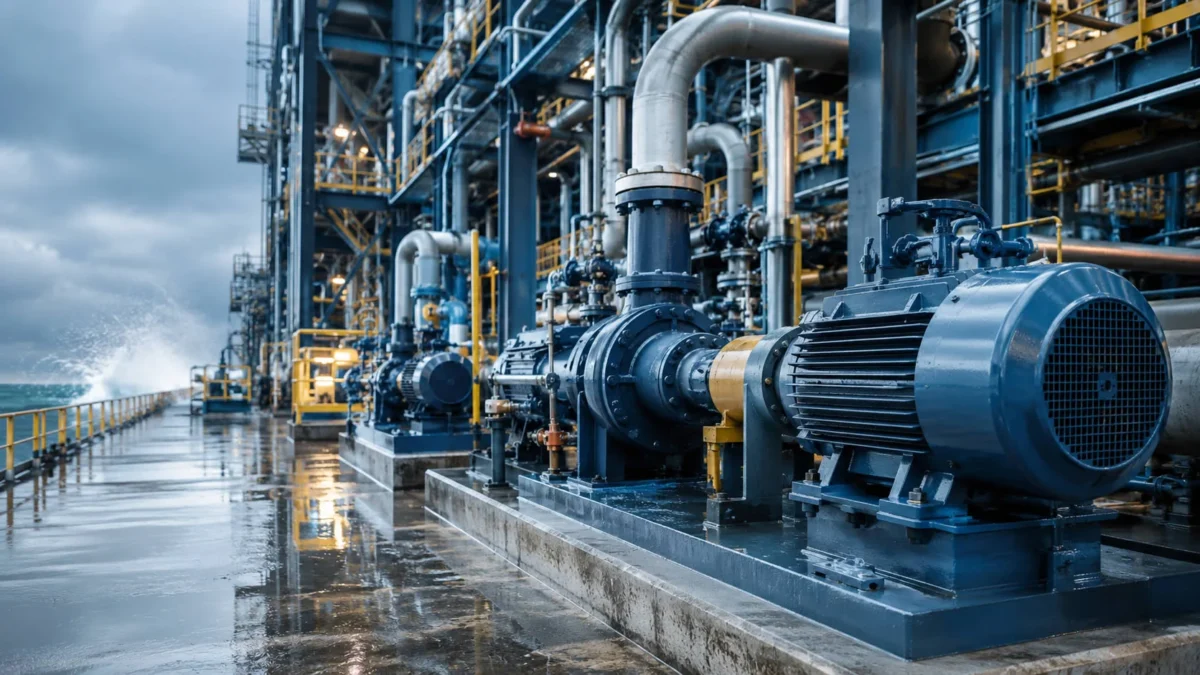
Corrosion protection must also be realistic. A temporary inhibitor for stored parts is not the same as a long-term coating for offshore equipment. A tank lining is not the same as a protective coating for a structural frame. A corrosion-resistant repair system is not the same as a cosmetic paint layer.
The goal is not simply to cover corrosion. The goal is to control the environment-metal interaction that causes degradation.
Key takeaway: Corrosion control should be planned around exposure, substrate, surface preparation, and asset criticality.