

Author: Laura Bennett, Preventive Maintenance Strategist
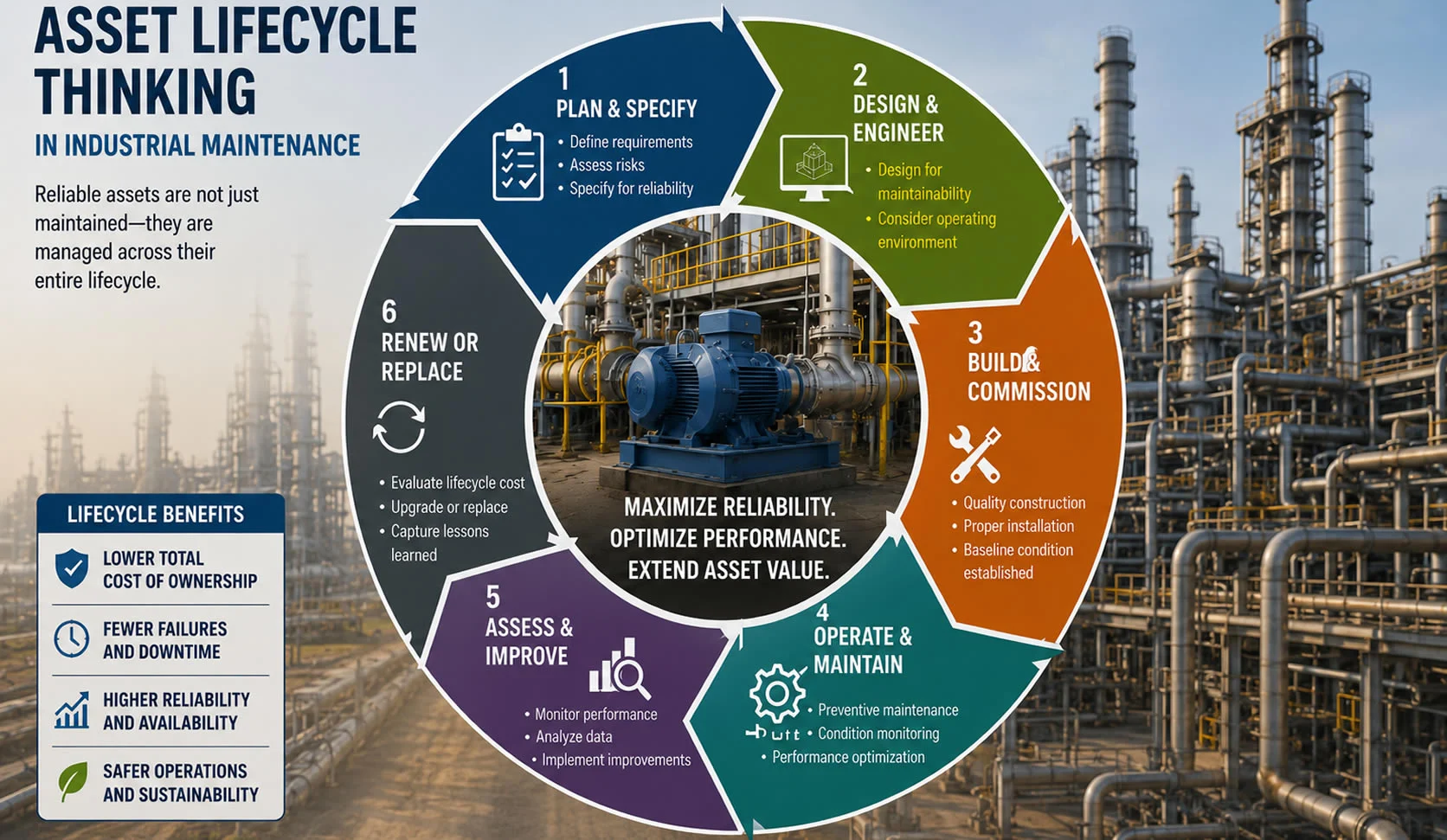
Many assets fail early because protection starts too late.
In industrial maintenance, it is common to wait until corrosion, wear, leakage, contamination, or mechanical damage is already visible. At that point, degradation has often progressed beyond the easiest and lowest-risk stage of control.
Preventive protection means acting before the asset reaches a critical damage condition.
This may include applying corrosion inhibitors to stored parts, protecting metal surfaces before shipment, using protective coatings in aggressive environments, selecting lubricants for exposed moving components, repairing worn areas before geometry is lost, and implementing cleaning programs that improve inspection quality.
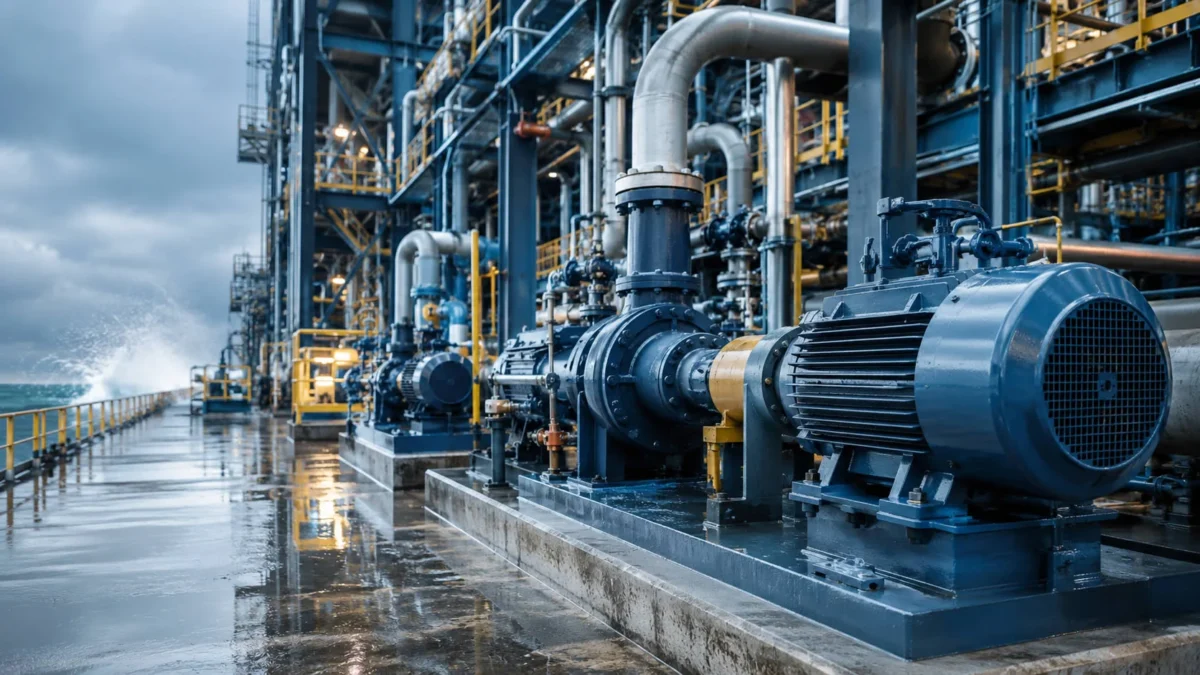
Preventive protection is especially valuable for critical assets with long lead times, high replacement costs, or high production impact. Examples include pumps, conveyors, tanks, gearboxes, crushers, mining trucks, power generation components, and marine equipment.
NIST describes preventive maintenance as scheduled, timed, or cycle-based maintenance, while predictive maintenance is initiated from observed data such as vibration, temperature, noise, or other condition indicators.
In practice, preventive protection complements both approaches. It reduces the rate of degradation while inspection and condition monitoring detect changes.
The value is not only longer service life. It is better planning.
A protected asset gives the maintenance team more time to inspect, schedule, repair, and avoid emergency work. It also reduces the pressure on shutdown windows and spare parts availability.
Preventive protection does not eliminate maintenance. It gives maintenance teams more control over when and how intervention occurs.
Key takeaway: Protecting assets early slows degradation and supports more predictable maintenance planning.