
Author: Sarah Collins, Maintenance Reliability Engineer
Industrial cleaning is often treated as a low-value maintenance task. In many plants, the cleaning product is selected by price, availability, or habit. However, from a reliability standpoint, poor cleaning can increase risk in ways that are not immediately visible.
Contamination hides failure.
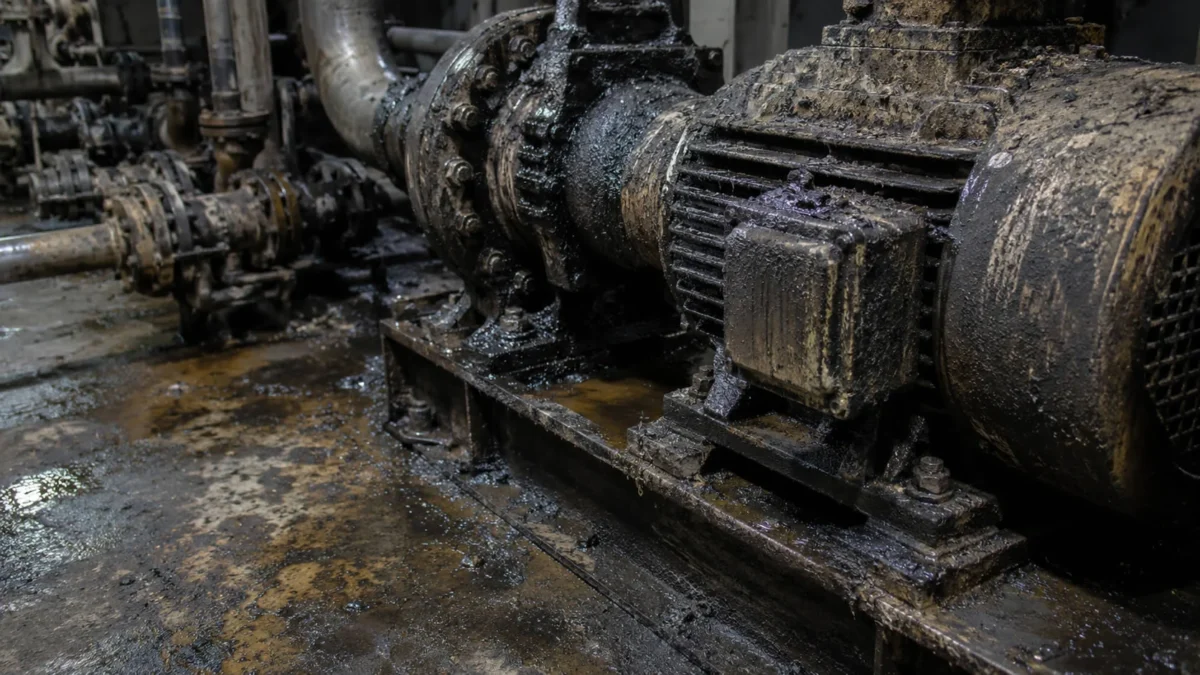
Oil, grease, dust, carbon, process residue, mineral buildup, and sludge can cover early signs of leaks, cracks, corrosion, overheating, loosened fasteners, and abnormal wear. When equipment is dirty, inspection quality decreases. When inspection quality decreases, failure detection becomes slower.
This matters because reliability depends heavily on visibility. Maintenance teams cannot control what they cannot see.
Poor cleaning also affects execution time. A mechanic working on equipment covered in grease, dirt, or carbon deposits usually needs more time to disassemble, inspect, repair, and reassemble components. Work becomes slower, less controlled, and potentially less safe.
There is also a safety component. OSHA states that engineering and work-practice controls should be the primary means to reduce worker exposure to chemical hazards where feasible. This is important when evaluating cleaning processes, chemical handling, ventilation, PPE, and application methods.
A reliability-based cleaning program should not be measured only by visual appearance. Better questions include:
Does cleaning improve inspection accuracy?
Does it help identify leaks earlier?
Does it reduce maintenance labor time?
Does it improve component handling?
Does it reduce contamination-related failures?
Does it support safer maintenance work?
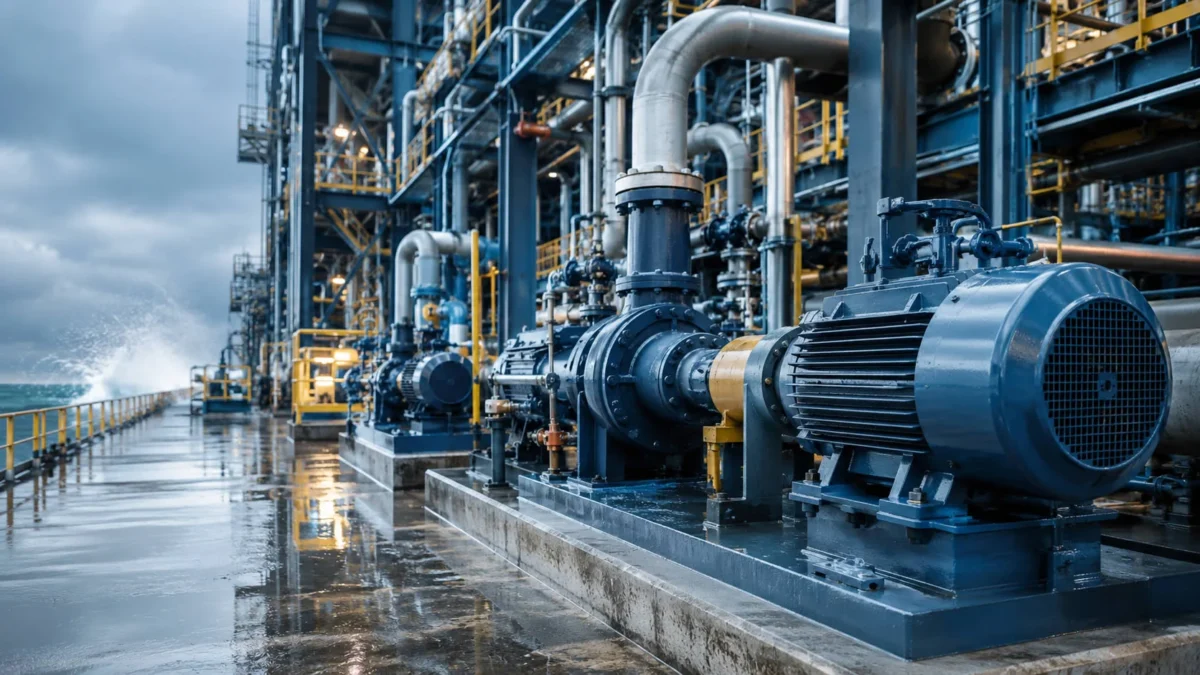
In mining, clean engines and hydraulic systems are easier to inspect. In power generation, clean housing and surfaces help maintenance teams detect abnormal conditions. In manufacturing, clean floors, tools, and machinery support productivity and safety. In marine environments, cleaning helps identify corrosion before it advances.
Industrial cleaning is not only about removing dirt. It is about restoring visibility and control.
Key takeaway: Clean equipment is easier to inspect, easier to maintain, and easier to protect.